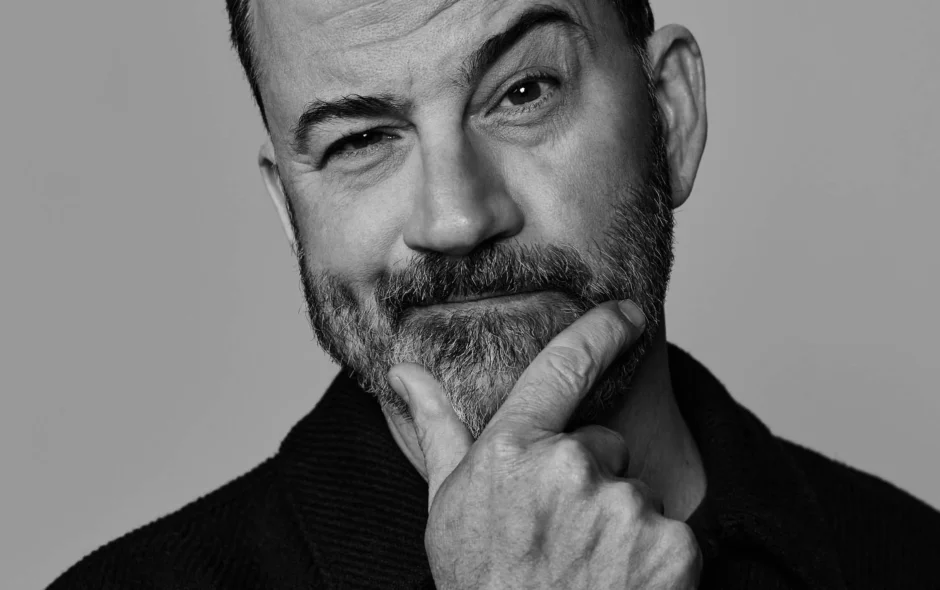
Late-night host Jimmy Kimmel is turning talk into action by launching a food distribution initiative at his show’s Hollywood back-lot to help Americans who rely on the Supplemental Nutrition Assistance Program (SNAP), amid fears benefits may be interrupted due to the ongoing federal funding standoff. Kimmel announced the “Big, Beautiful Food Bank” at the studio location in Los Angeles, inviting donations of non-perishable items, hygiene products and financial contributions to support local organizations.
For millions of households, SNAP is not a luxury—it is a lifeline. The current impasse in Washington has threatened the certainty of that support: states report they may be unable to issue full November benefits if appropriations remain unresolved. Kimmel’s move highlights the urgency of the moment and seeks to fill a gap where federal policy has stalled and people’s access to basic nutrition is at risk.
Kimmel did not position this as a partisan stunt; instead, he framed it as a community effort. On his show’s social media channels, his team wrote that cutting SNAP creates uncertainty for “children, seniors and families” and suggested that even viewers outside of Los Angeles support their local food banks. The rallying point was the recognition that when government support falters, the private sector, media platforms and individuals cannot simply stand by. Kimmel stepped into that space.
The choice of venue—his late-night show’s back-lot at 6901 Hawthorn Ave.—is telling. It’s emblematic of Kimmel’s dual identity as both entertainer and civic actor, leveraging his platform for a cause that transcends punchlines. By opening a direct channel for people to donate and volunteer, Kimmel is saying that responsibility doesn’t end when the microphones go off; it begins there.
This initiative also serves as an implicit criticism of systemic failure. When the safety net that SNAP represents becomes vulnerable because the federal budget remains unsettled, public figures taking action underscores the scale of the problem. Kimmel’s decision to launch a food bank does not replace the program, but it pings an alarm: if the government cannot guarantee nutrition assistance, then others must meet the need—and sooner rather than later.
Importantly, Kimmel’s approach remains practical rather than purely symbolic. The food bank is open 9 a.m. to 5 p.m. for donations, and organizers say they will coordinate with the L.A. Food Bank and the St. Joseph Center to distribute goods where they are most needed. This is not simply a media moment; it is groundwork. It acknowledges that when federal policy crosses the line from delay into disruption, society cannot wait.
For viewers of late-night television, Kimmel has built a brand on humor and host commentary—but moments like this illustrate how entertainers can shift from observer to participant. By using his show’s resources for community relief, he is declaring that the human cost of policy paralysis is intolerable. He is also challenging the notion that a lack of federal action discharges public responsibility.
Kimmel’s food bank may not solve all the issues tied to SNAP delays or budget gridlock, but it does something more important in the moment: it preserves dignity and delivers sustenance. It suggests that popular culture and entertainment can, in fact, rise to the challenge of public welfare when institutions falter. Whatever happens in Washington next, Jimmy Kimmel’s food-distribution center reminds us: people still need to eat, and someone has to show up when the government doesn’t.