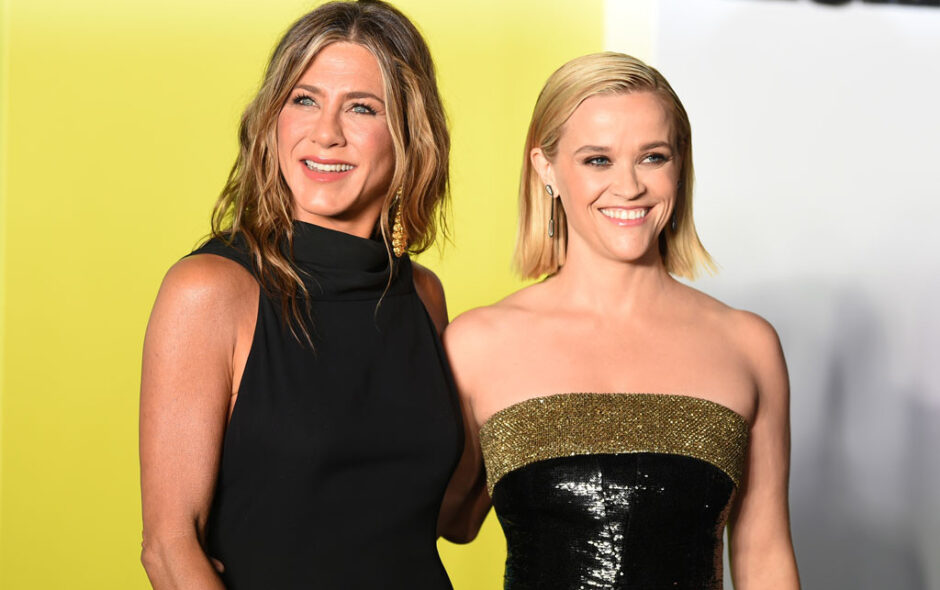
The fourth season of The Morning Show marks a return not only to the high-stakes drama of morning television but to a world where the very nature of truth is under siege. Two years have passed in the show’s timeline since the events of season three, and the merger of UBA and NBN has created a new powerhouse network, UBN, which now stands at the centre of an information-age battleground. The familiar faces of Alex Levy (portrayed by Jennifer Aniston) and Bradley Jackson (played by Reese Witherspoon) return, but they do so into a landscape changed—where social trust is thin, where corporate alliances hide private agendas, and where the newsroom itself may be its own biggest story.
In this new season, the internal politics of the broadcasting world reflect the external chaos of our time: deepfakes, viral misinformation, corporate cover-ups and an incessant questioning of what can be believed. The opening reveals that UBN is seeking to define whether it is a purveyor of truth, a manipulator of audiences, or something in between. Alex finds herself elevated—yet under relentless scrutiny—while Bradley, though still a force, must negotiate her own place in a system that has grown bigger, more global and yet more vulnerable to collapse.
The time jump helps to reset the stakes. We no longer watch the immediate fallout of scandal; instead we see what emerges when consequence becomes routine and accountability becomes negotiable. The viewer learns that old loyalties shift, new powers take root, and the concept of “the show” has grown both wider and more dangerous. Introductions of new characters—among them influential media figures, aristocratic financiers, and tech-savvy disruptors—serve to complicate alliances and remind the audience that the cast of characters at UBN is only the most visible layer of a far deeper power structure.
While the network fights for ratings, relevance and integrity, the human cost remains profound. Alex must balance public persona and private ambition; Bradley must reckon with the fact that influence without control can be its own form of impotence. Meanwhile, the supporting players—producers, anchors, executives—navigate shifting ground as audiences splinter and credibility fractures. The newsroom becomes a microcosm of a media ecosystem in crisis, and the question posed is no longer just “who is telling what story?” but “who controls the story?”
Visually, the season keeps the sleek cinematic look audiences expect, while introducing motifs of fracturing mirrors, reflections and screens within screens to underscore the idea that everything may be mediated, manipulated or artfully refracted. Sound design, editing and pacing all reinforce the idea of a network under pressure—not just from competitors, but from its own internal contradictions. Reality, in this world, is negotiable, and every headline is contested.
Thematically, this season feels especially contemporary, even urgent. In an era where public trust in institutions wavers, this drama asks newcomers and long-time viewers alike to question how much of their information is curated, how much is strategic, and how little is accidental. It suggests that a morning show—once a source of comfort and routine—can become the front line in a battle over what people believe. The network is not simply covering the news; it is embedded within it.
As the first episode unveils on September 17, the weekly rollout invites the audience to live inside the unfolding tension as if it were live TV itself. The narrative momentum shifts from shock to consequence, from exposure to structural change. In the arc of this season, UBN may not only survive—it may transform, for better or worse. The legacy of the earlier seasons, with their focus on scandal, crisis and celebrity, now evolves into something wider: a commentary on systems, surveillance and survivorship in an always-on media age.
In essence, the fourth iteration of The Morning Show is more than a new chapter—it is a recalibration. The coffee is hot, the lights are bright, and the cameras are rolling—but behind them, the questions hover: In a world where the network runs the newsroom, who watches the watchers? And when every truth becomes a headline, who decides which story is told?