
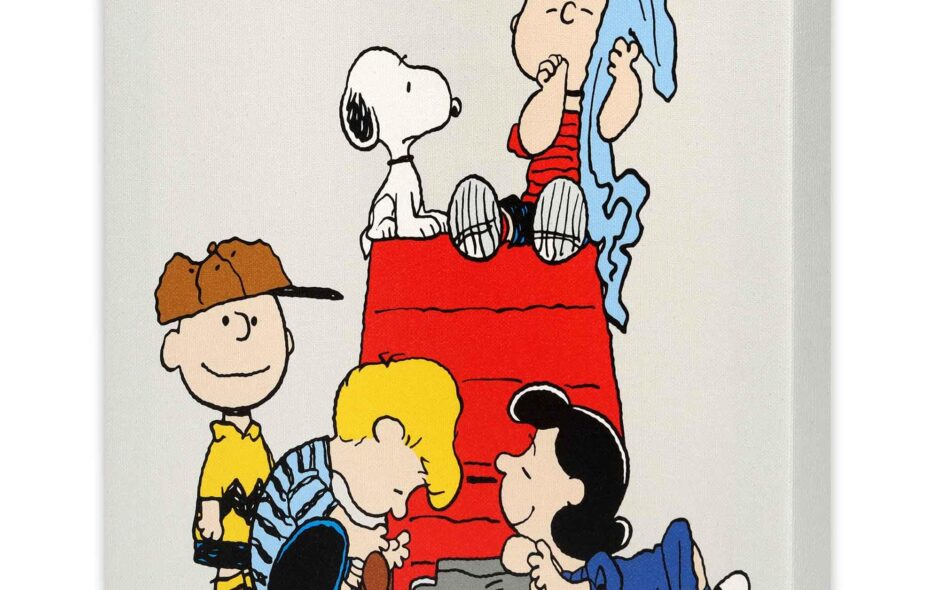
Sony has acquired an 80 percent ownership stake in Peanuts, the beloved comic strip and media franchise created by Charles M. Schulz, marking one of the most significant shifts in stewardship since the characters first appeared in newspapers in 1950. The deal places the vast majority of creative and commercial control of Charlie Brown, Snoopy, and the rest of the Peanuts gang under the Sony umbrella, while the Schulz family retains a minority stake.
The acquisition brings one of the most enduring properties in American popular culture into closer alignment with a global entertainment conglomerate that has steadily expanded its animation and family-content portfolio. For Sony, the move reinforces its long-term strategy of investing in globally recognizable intellectual property that can live simultaneously across film, television, streaming, merchandise, music, and interactive media.
Peanuts has long occupied a singular space in American life, balancing gentle humor with melancholy, philosophy, and an emotional honesty that allowed Schulz’s characters to grow alongside generations of readers. Charlie Brown’s quiet perseverance, Snoopy’s imaginative bravado, and Linus’s blanket-clutching wisdom have remained culturally relevant for more than seven decades, an achievement few franchises can claim.
Sony’s stake gives it significant influence over how Peanuts evolves in the coming years, particularly as the franchise continues to expand beyond print into animation and digital platforms. In recent years, Peanuts has found renewed visibility through animated specials, short-form content, and international licensing, introducing the characters to younger audiences while maintaining the classic sensibility that longtime fans expect.
Executives familiar with the deal have emphasized that the Schulz family’s continued involvement is intended to preserve the spirit and values of the original strip, which Schulz famously wrote and drew himself for nearly 50 years. That balance between legacy and modernization has become central to Peanuts’ survival in a media landscape dominated by rapid cycles of reinvention.
For Sony, the purchase also strengthens its hand in family and prestige animation, complementing its existing animation studios and its broader entertainment ecosystem. The company has increasingly leaned into recognizable brands with multigenerational appeal, seeing them as anchors in a fragmented global market where name recognition still matters.
Peanuts’ understated emotional resonance has helped it transcend trends, wars, political eras, and technological change. Its themes of hope, disappointment, resilience, and quiet joy remain remarkably adaptable, whether rendered in a single-panel comic strip or a high-definition animated special streamed worldwide.
With Sony now holding an 80 percent stake, the future of Peanuts appears poised for careful expansion rather than radical reinvention. For fans, the hope is that Charlie Brown will continue trying, Snoopy will keep dreaming, and the small truths Schulz embedded in his work will remain intact—even as the franchise enters a new corporate chapter.